
Weed Detection
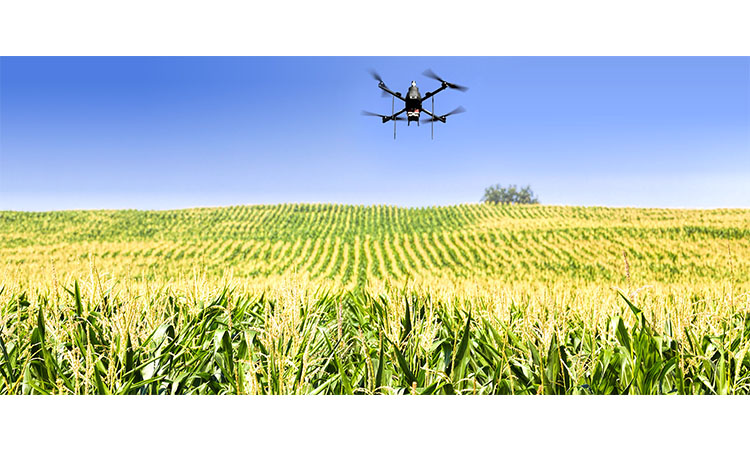
AI-Based Analysis
Machine Learning Models: Analyze drone images to detect weed-infested areas automatically.
Precision Mapping: Generates detailed maps showing exact weed locations for targeted treatment.
Aerial Imaging
Multispectral and RGB Cameras: Drones capture high-resolution images to differentiate weeds from crops based on color, texture, and growth patterns.
NDVI (Normalized Difference Vegetation Index): Helps identify abnormal vegetation (like weeds) by measuring plant health.
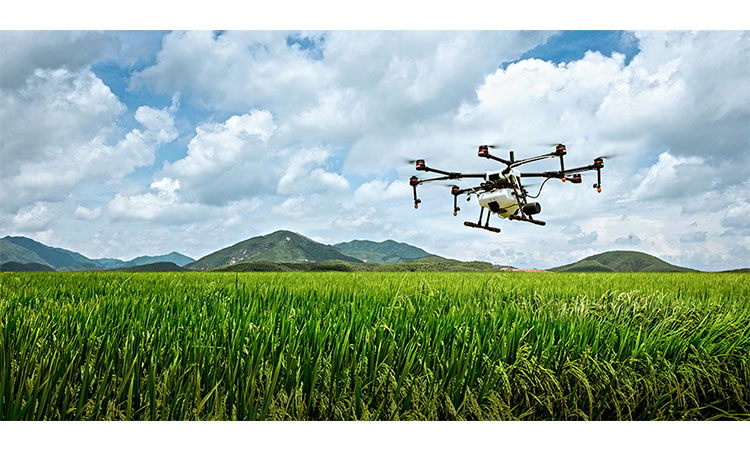
Weed management
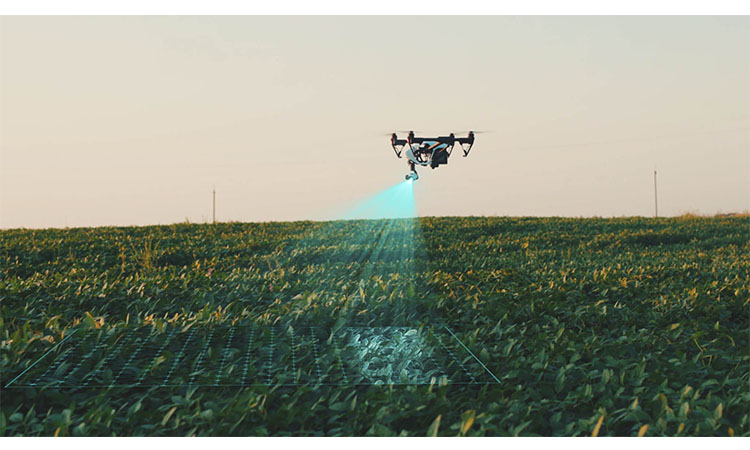
Eco-Friendly Practices
Reduced Soil Disturbance: Unlike tractors, drones do not compact soil or disturb crop rows.
Supports Organic Farming: Some drones can be used to apply organic weed control solutions or natural suppressants.
Precision Spraying
Targeted Herbicide Application: Drones spray only on the affected areas, reducing chemical use and saving costs.
Variable Rate Application: Adjusts herbicide quantity based on weed density.
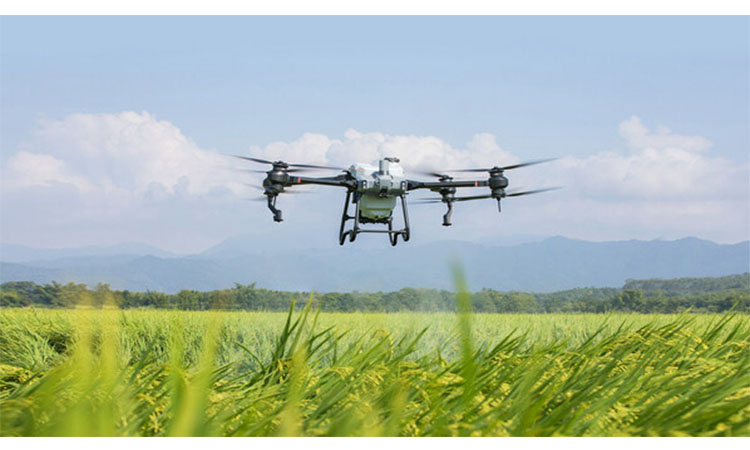
Benefits
- Cost Efficiency: Saves 30–50% on herbicide usage and labor.
- Time Saving: Covers acres in minutes, ideal for large farms.
- Higher Accuracy: Minimizes risk of damaging crops.
- Environmentally Friendly: Reduces chemical runoff and overuse.